Why Tracing Books Are More Important Than Most Parents Realize
Most parents pick up a tracing book and think one thing.
It is just something to keep them busy.
It is not. Not even close.
Tracing books for preschoolers are one of the most developmentally important tools available to young children. Occupational therapists recommend them. Kindergarten teachers rely on them. And yet most parents underestimate what they actually do.
Here is what is really happening every time your child picks up a pencil and traces a line.
Tracing Builds the Foundation Writing Needs
Writing is a physical skill before it is an academic one.
Before a child can form a letter independently, the hand needs strength. It needs coordination. It needs to know how to move a pencil in a controlled and deliberate direction.
None of that comes from watching. It comes from doing repeatedly, with guidance.
Tracing books for preschoolers provide exactly that repetition. Every line traced builds the muscle memory that letter formation depends on later. Every curve followed teaches the hand what the brain is trying to communicate.
Skip tracing and writing becomes harder than it needs to be. Start with tracing and the pencil feels natural from day one.
Recommended products
-
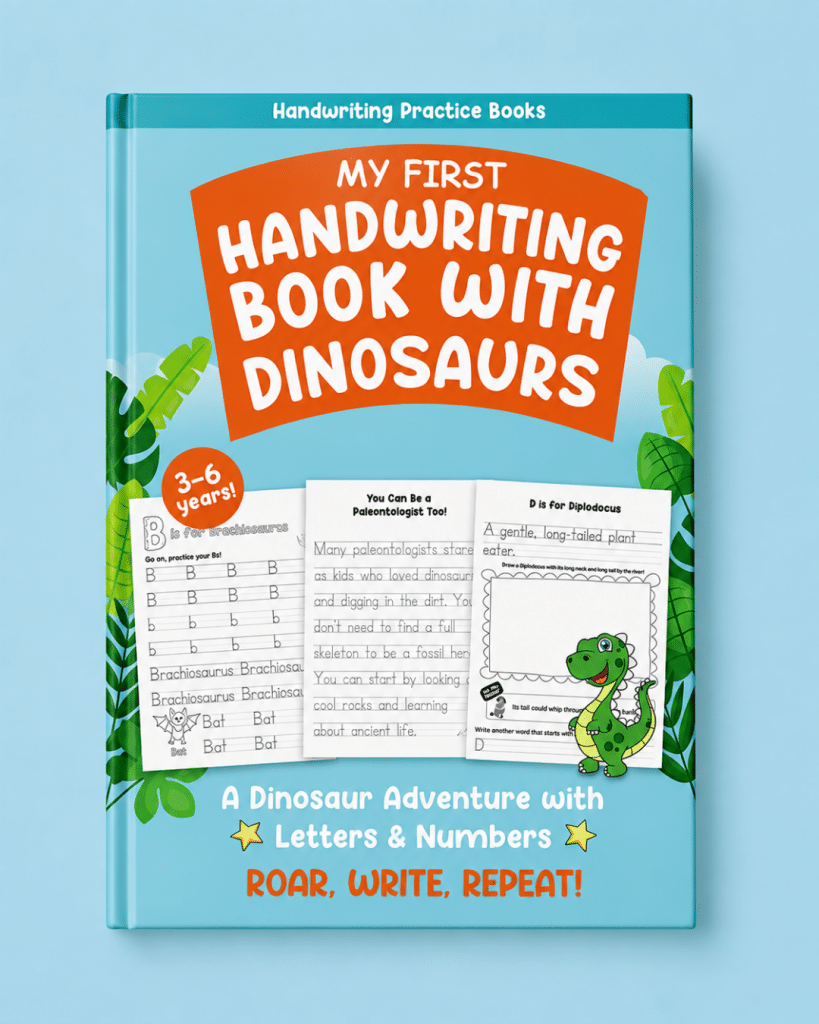
My First Handwriting Book with Dinosaurs: Fun Letter Tracing Workbook for Kids Ages 3–6
$17.99$11.79 -
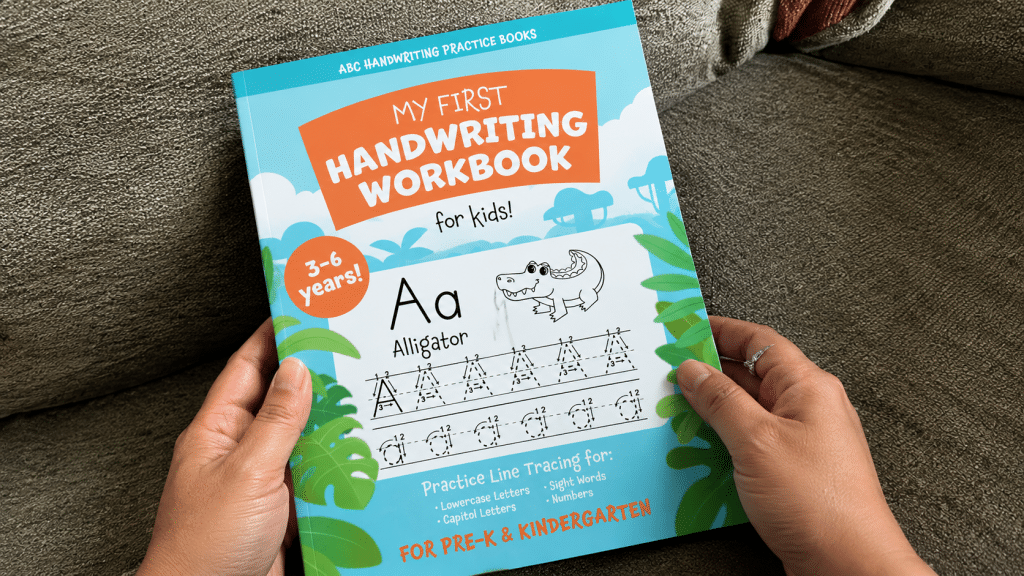
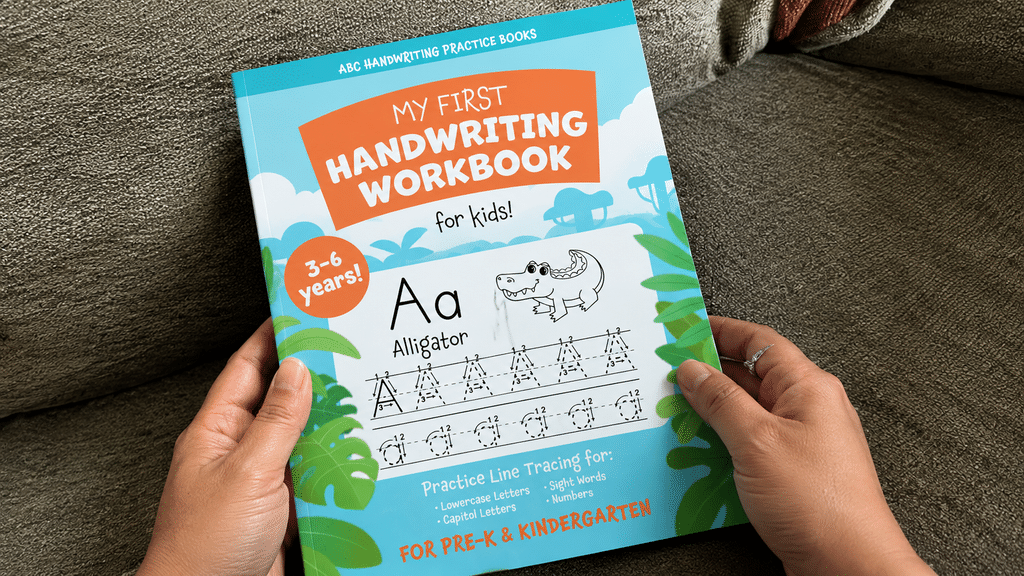
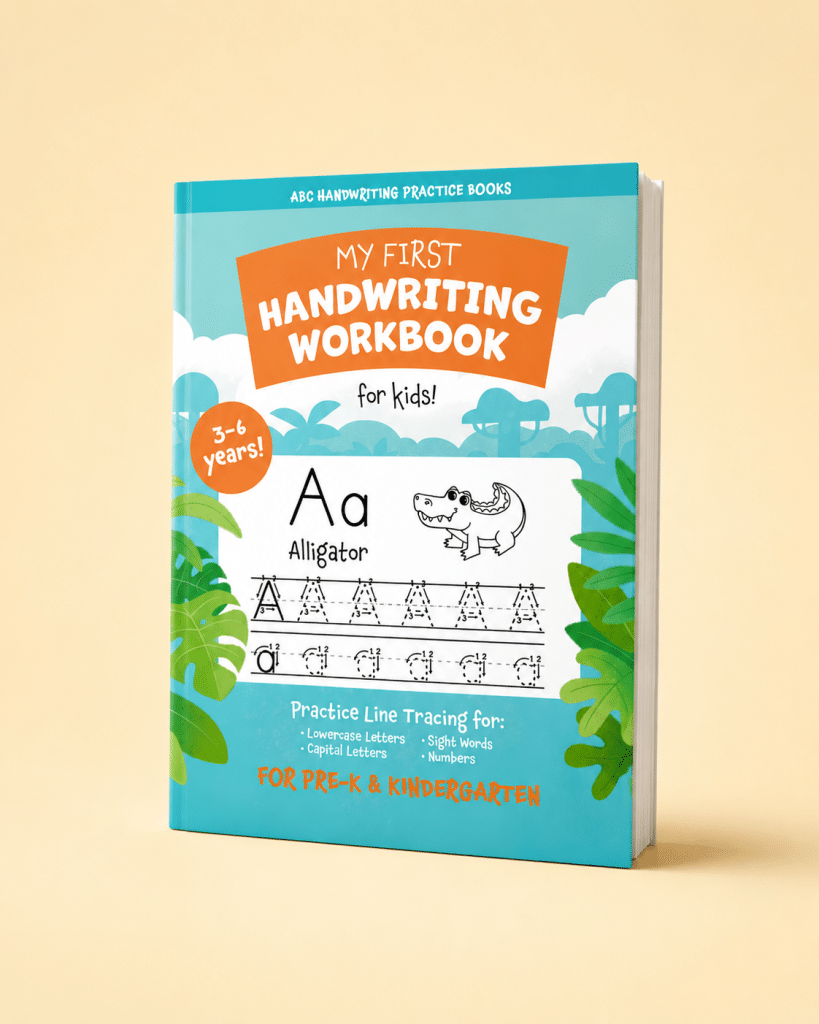
My First Handwriting Workbook for Kids Ages 3–5 | Letter Tracing, Numbers, Sight Words & Preschool Learning
$17.99$11.79 -
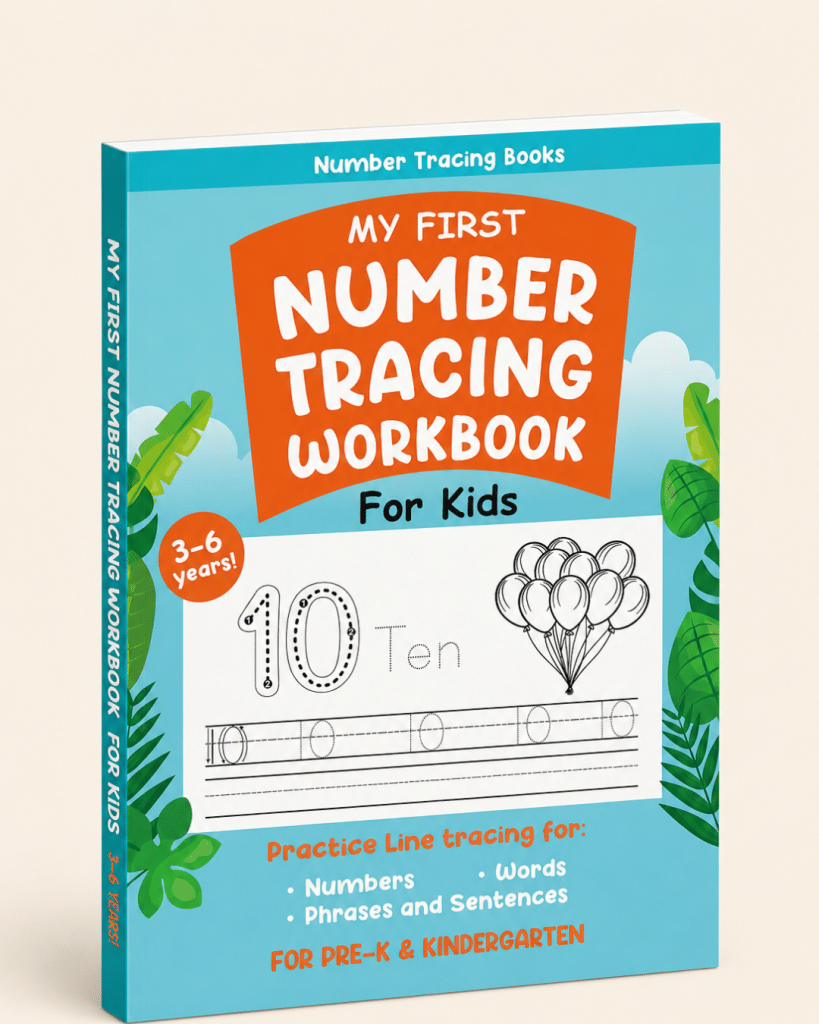
My First Number Tracing Book Number Writing Practice for Kids
$18.99$12.44 -
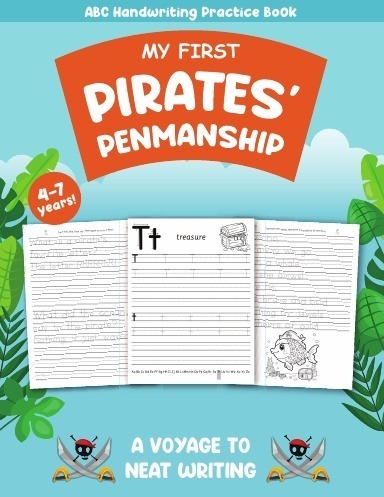
My First Pirates’ Penmanship A Pirate Book for Kids
$17.99$11.79
Fine Motor Skills Develop Long Before Letters
Most parents focus on the alphabet. But the hand needs to be ready before letters make sense.
Fine motor skills are the small muscle movements in the fingers, hands, and wrists. They control everything from buttoning a coat to holding a fork. They also control a pencil.
Tracing activities strengthen these muscles in a genuinely useful way. Following a curved line requires precision. Staying inside a shape requires focus. Completing a full page requires sustained attention.
These are not small things. They are the exact skills kindergarten teachers look for on the first day of school.
Research from occupational therapy consistently shows that children with stronger fine motor skills transition into formal writing more easily. They hold their pencils correctly. They form letters more accurately. They experience less frustration and more confidence.
Tracing is how you build that foundation before school begins.
Letter Tracing Is Not the Starting Point
This surprises many parents.
Before a child traces letters, they need to trace lines. Then shapes. Then patterns. Then curves and diagonals. Then and only then do letters make sense to a developing hand.
A tracing book that starts with straight horizontal lines is not being too simple. It is being developmentally correct.
The hand learns movement before it learns meaning. Once movement is natural, meaning follows quickly.
This is why the best tracing books for preschoolers do not jump straight to the alphabet. They build up gently, progressively, page by page so that letters feel like a natural next step rather than an overwhelming leap.
What to Look for in a Tracing Book
Not all tracing books are equally useful. Here is what actually matters.
Clear starting points on every stroke. Young children need to know exactly where to begin. Without a starting dot or arrow, many children develop incorrect habits that are hard to undo later.
Enough practice space. One trace per letter is not enough. Repetition is how muscle memory forms. A good tracing book gives children multiple lines of practice on every page.
Engaging illustrations. A child who is excited about the page in front of them sits longer. They practice more. They come back tomorrow. Themed tracing books with animals, dinosaurs, or adventure characters consistently outperform plain worksheet formats for this reason.
Short, manageable pages. Ten minutes of focused tracing builds more than an hour of half-hearted practice. The best tracing books are designed for short daily sessions rather than marathon sitting.
The Bigger Picture
Tracing books for preschoolers are not preparation for writing. They are preparation for learning itself.
The focus, the patience, the persistence of staying with a task and finishing it these are skills that transfer into every area of school life.
Your child does not know that. They think they are following a wiggly line past a cartoon dinosaur.
That is exactly the point.
Shop new arrivals
-
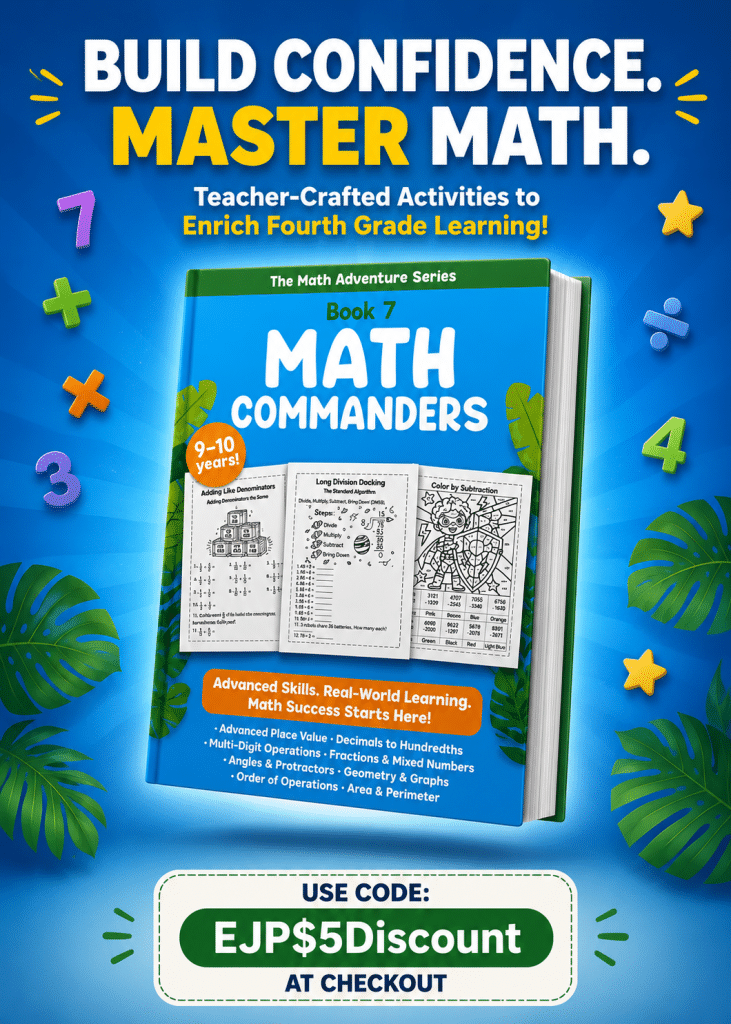
4th Grade Math Workbook for Ages 9–10 | Math Commanders
Original price was: $17.99.$11.99Current price is: $11.99. -
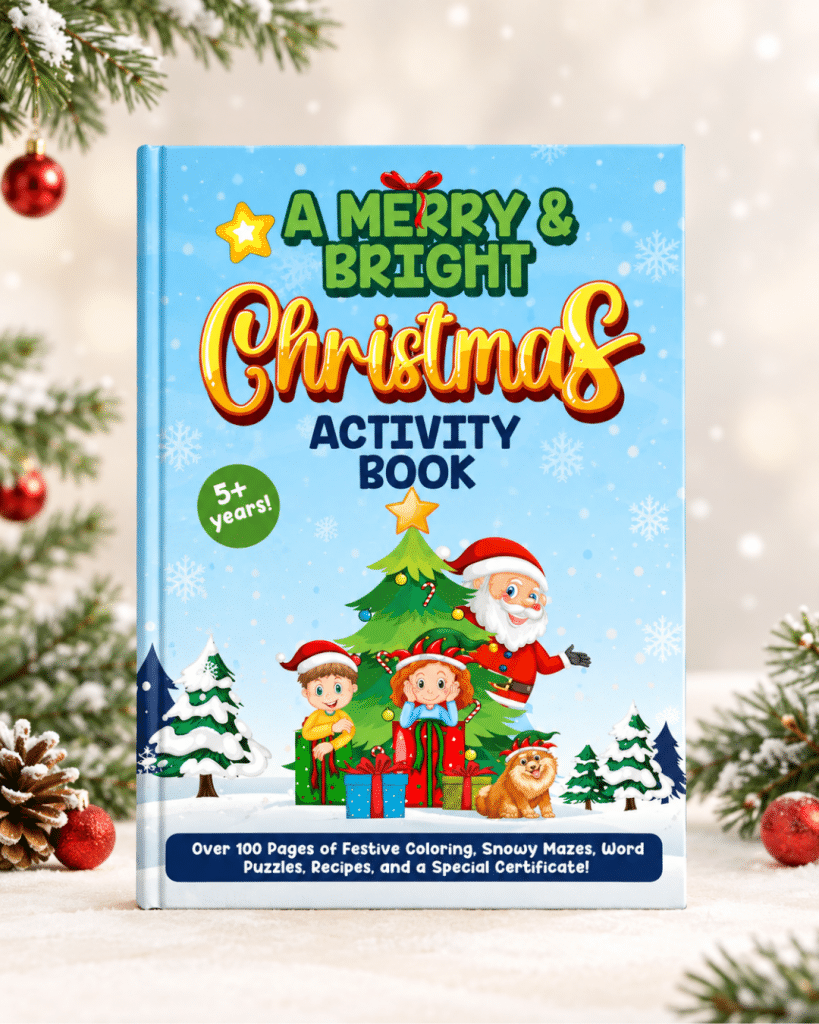
A Merry Bright Christmas Activity Book: 100+ Pages of Coloring, Puzzles, Mazes & Holiday Fun for Kids Ages 5+
$18.99$12.44 -
All the Love for Mom : A Mother’s Day Activity Book for Kids That Becomes a Keepsake
$16.99 -
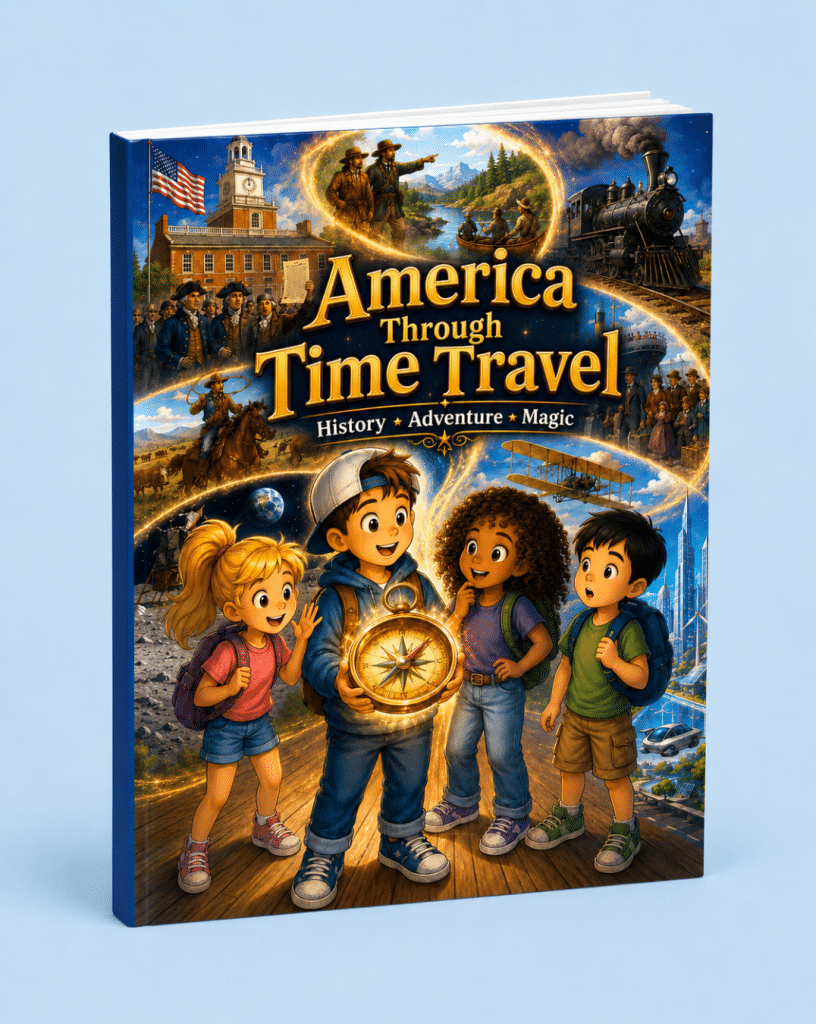
America Through Time Travel — American History Activity Book for Kids | Coloring, Puzzles & Fun Facts
$18.99 -
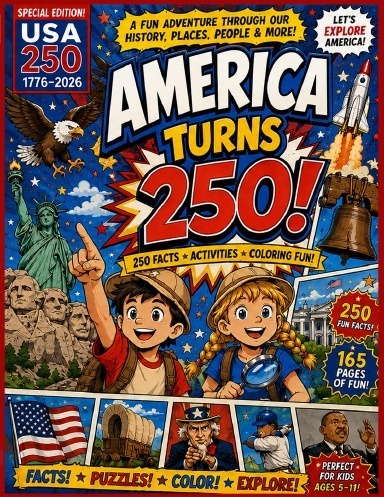
America Turns 250: Activities, Puzzles, Coloring Pages, Fun Facts, and Amazing D
$18.99