How to Build Your Child’s Reading and Writing Skills, One Small Step at a Time
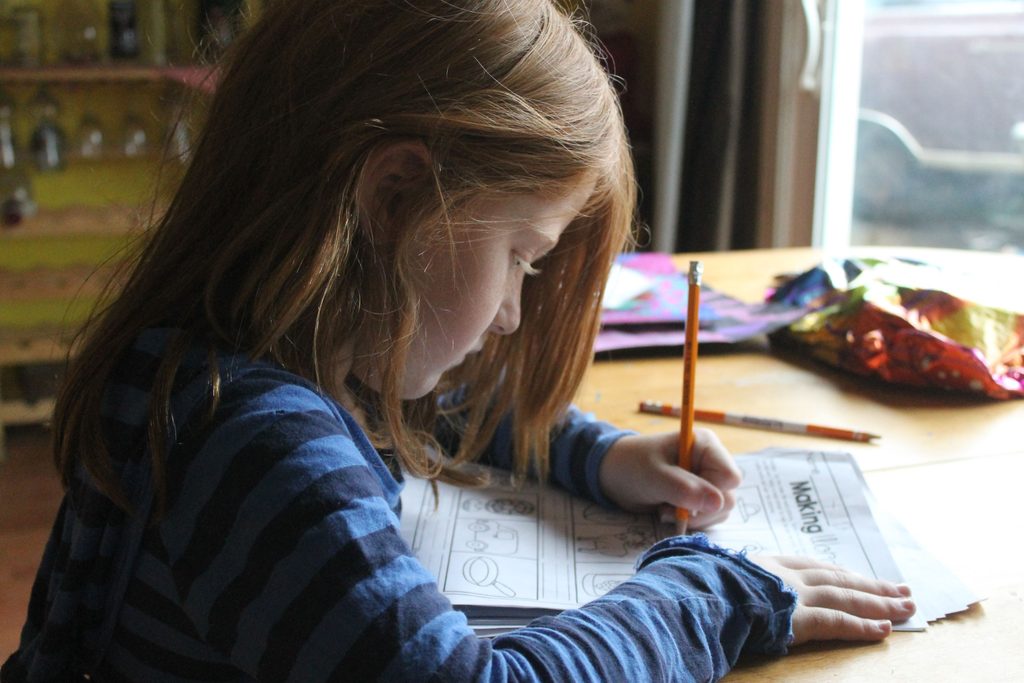
Every parent remembers the excitement of a child’s first word, first scribble, first attempt at writing their own name. But reading and writing don’t happen overnight. They build slowly, through physical readiness, everyday exposure, and small daily habits. Here’s how to support that journey at home, and why tracing books are one of the simplest, most effective tools to help along the way.
Readiness Comes Before Reading and Writing
Before a child can hold a pencil and form letters, their body needs to be ready. Writing uses muscle coordination from the shoulder all the way down to the wrist, along with hand-eye coordination and fine motor skills. That’s why simple sensory play, clay, sand, mud, even food, matters more than it seems. It’s quietly building the physical foundation writing depends on.
Reading works the same way. Before a child can sound out words, they need strong visual and auditory perception, the ability to notice and tell apart what they hear and see. Everyday moments help here too: pointing out sounds on a walk, singing nursery rhymes, playing simple picture and pattern games.
Building a Love for Reading
Interest in reading doesn’t start when a child learns to read. It starts the first time a book is opened and shared with them. Reading aloud daily, acting out stories, asking questions while reading, and letting a child pick their own books all help build genuine enjoyment, not just skill.
Repetition matters too. If your child wants the same book every night, that’s not a bad sign. It actually strengthens word recognition, fluency, and confidence over time.
Building a Love for Writing
Writing skill develops through low-pressure practice, not drills. Doodling, tracing letters in a shallow tray of sand or salt, writing simple cards to family members, or helping write the grocery list all count as real writing practice.
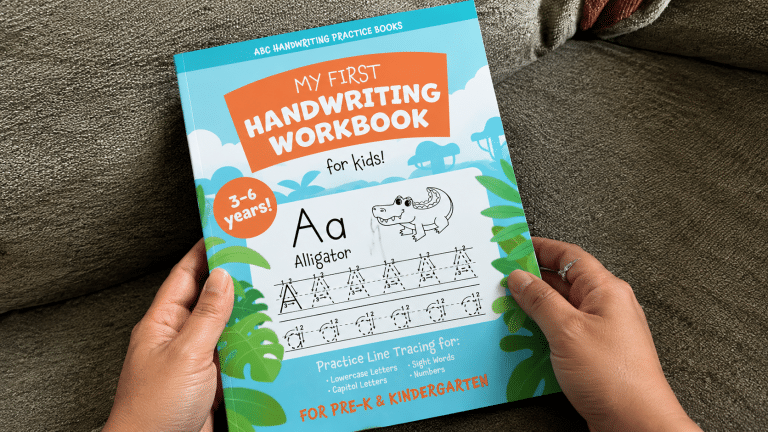
This is exactly where letter tracing worksheets and guided pre-writing skills activities do their best work. Tracing gives a child structured, repeatable practice forming shapes and letters, building the hand strength and control needed before free writing feels natural. It turns a big, intimidating skill into small, achievable steps.
A well-designed tracing book does this without pressure. No drills, no frustration, just guided practice that builds real handwriting readiness over time, one line, one letter, one page at a time.
Setting Up for Success
Keep materials within easy reach, books on a low shelf, tracing books and crayons in a basket a child can grab independently. And perhaps most importantly, model it yourself. Children copy what they see. A home where reading and writing feel like enjoyable, everyday moments, not chores, is the strongest foundation of all.
Looking for a simple place to start? Our My First Series tracing workbooks are designed exactly for this stage, letters, numbers, and guided practice built for little hands just getting started.
Explore the collection here: epicjourneyspublishing.com/my-first-series-handwriting-workbooks-kids-tracing-letters-numbers