Educational Books for Your Kids
-
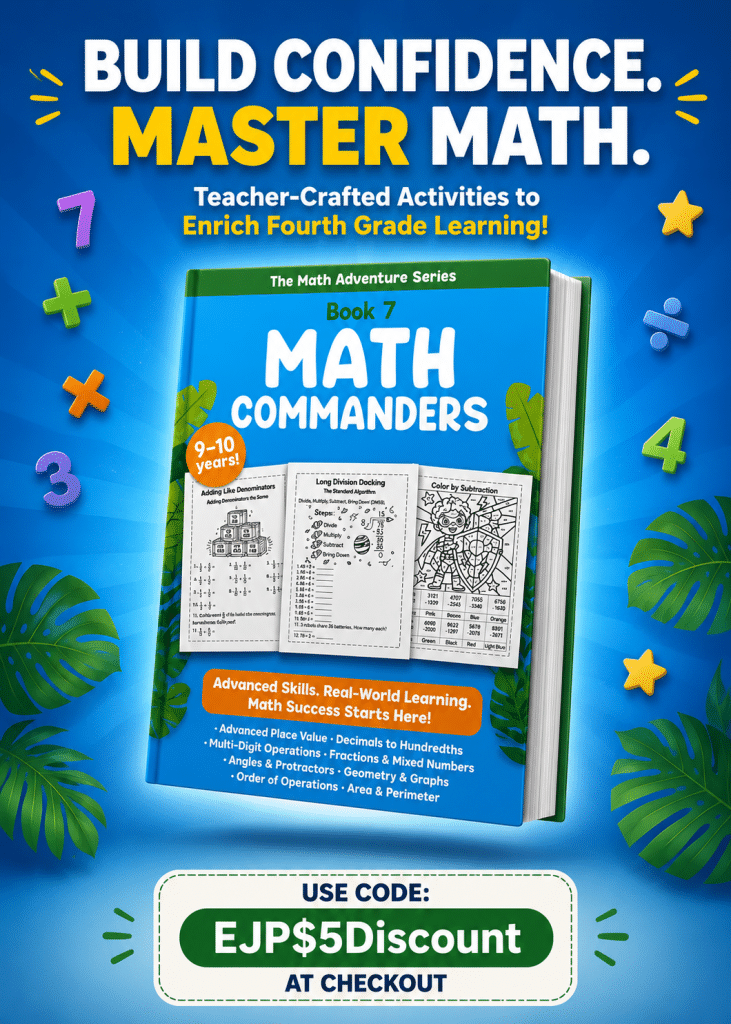
4th Grade Math Workbook for Ages 9–10 | Math Commanders
Original price was: $17.99.$11.99Current price is: $11.99. -
A Merry Bright Christmas Activity Book: 100+ Pages of Coloring, Puzzles, Mazes & Holiday Fun for Kids Ages 5+
$18.99$12.44 -
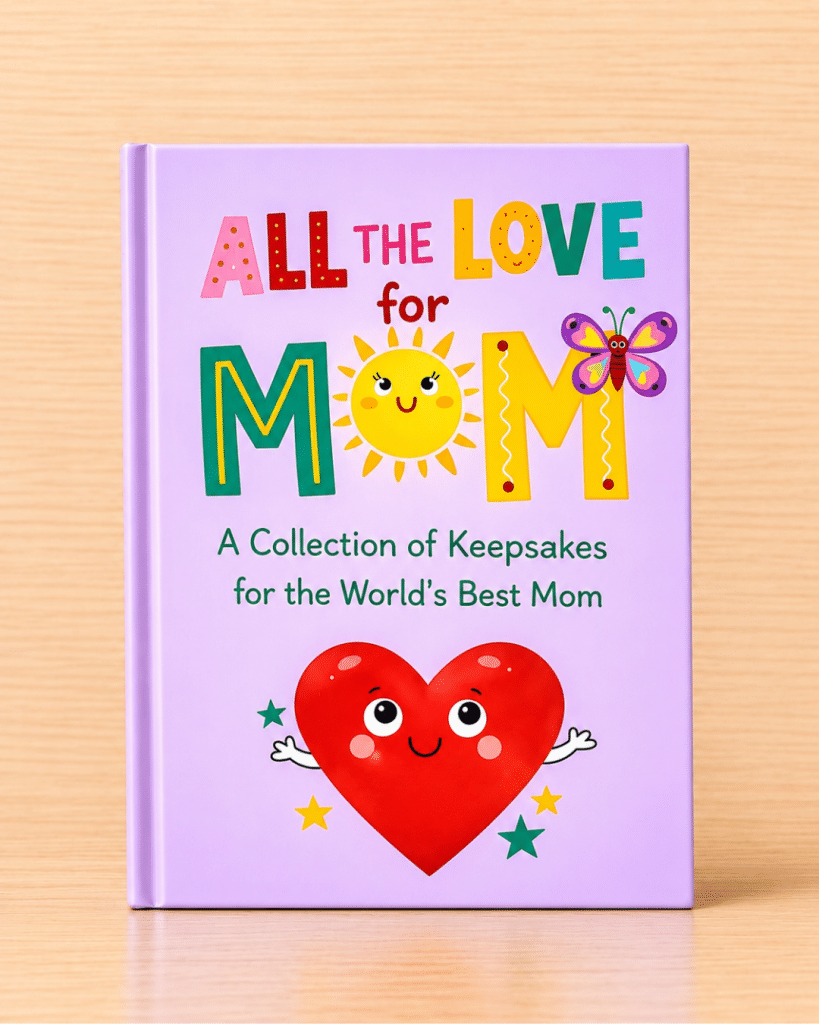
All the Love for Mom : A Mother’s Day Activity Book for Kids That Becomes a Keepsake
$16.99 -

America Through Time Travel — American History Activity Book for Kids | Coloring, Puzzles & Fun Facts
$18.99 -

America Turns 250: Activities, Puzzles, Coloring Pages, Fun Facts, and Amazing D
$18.99

What Happens to Your Child’s Brain When They Stop Writing by Hand and What Are Handwriting Benefits for kids Brain development
Most children today can swipe, tap, and type before they can reliably hold a pencil. Schools across the country have quietly deprioritized handwriting instruction and in many places, cursive has disappeared from the curriculum entirely. The shift feels practical. Screens are everywhere. Keyboards are faster.
But neuroscience tells a different story. And it is one every parent needs to hear.
The Brain on Handwriting, What the Research Actually Shows
A 2025 review published in Life by researchers at Università Cattolica del Sacro Cuore in Rome synthesised decades of neuroimaging studies to answer one question: what does the brain actually do differently when we write by hand versus type?
The findings were clear. Handwriting activates a broader network of brain regions involved in motor, sensory, and cognitive processing including the motor cortex, sensorimotor cortex, visual areas, and language centers such as Broca’s area. Typing engages fewer neural circuits, resulting in more passive cognitive engagement.
In practical terms this means that when your child picks up a pencil and forms a letter feeling the friction of paper, watching the shape emerge under their hand, integrating what they see with what their muscles are doing their brain is working in a fundamentally richer and more interconnected way than when they press a key.
A high-density EEG study found that the entire brain was active during handwriting, while much smaller areas were active during typing. Additionally, different parts of the brain activated during handwriting communicated through brain waves associated with learning specifically alpha and theta oscillations linked to memory consolidation which were active during handwriting but not during digital writing.
What Children Lose When Handwriting Disappears
The consequences go beyond penmanship. When children stop writing by hand early in their development, they miss the window in which handwriting builds the neural pathways that underpin reading, spelling, and long-term memory.
Research indicates that handwriting and reading share neural pathways, and the cognitive processes involved in handwriting letter formation and letter-sound relationships are also involved in reading acquisition. Children who have not learned to write well may experience difficulties in reading, comprehending the overall meaning of a text, understanding the context of words and phrases, and mastering spelling.
This is not a minor side effect. It is a foundational gap. The ability to recognize individual letters widely accepted as the first stage of reading is strengthened through handwriting in a way that typing simply cannot replicate.
What is lost in the shift away from the physical act of handwriting to digital tapping and swiping is profoundly understated. Students are losing out on significant cognitive and sensory development.
There is also something harder to measure but equally important. Handwriting demonstrates the principle of individuality and allows for deeper individualized expression that typing or swiping cannot replace. When children stop writing by hand, they lose a direct connection to their own voice to the particular way they form letters, to the physical experience of thought becoming mark on page.
The Fine Motor Development Problem
If children are not exposed to handwriting early on, they may not develop the precise hand movements needed for later tasks such as drawing, cutting, or other manual activities. The lack of varied fine motor tasks in early years could lead to delayed development of dexterity and hand strength, which are critical for daily life and future academic or professional tasks. Excessive typing, as opposed to handwriting, results in reduced precision in hand-arm movements and a decline in other fine motor abilities over time.
This matters far beyond the classroom. Fine motor skills developed through handwriting transfer into music, sport, art, and the physical dexterity children need to navigate a world that still despite everything requires hands that can do things.
What Parents Can Do Right Now
The good news is that the solution is genuinely simple. You do not need to overhaul your child’s education to protect their brain development. You just need to give them a reason to pick up a pen.
Fifteen minutes of handwriting practice per day tracing letters, copying sentences, writing in a journal is enough to engage the neural circuits that keyboards bypass. The key is consistency rather than perfection.
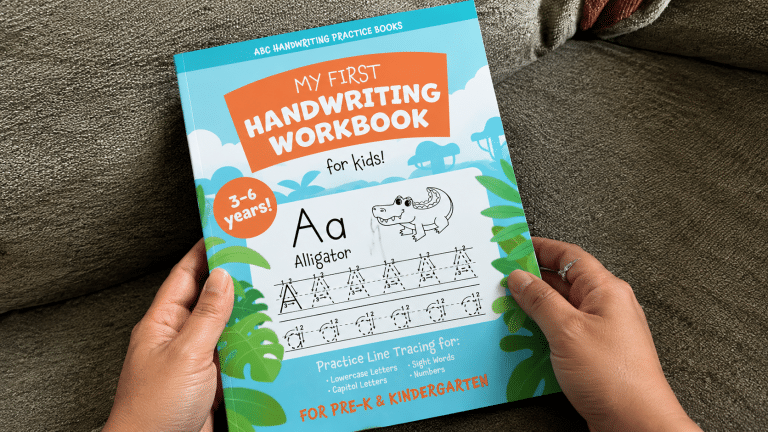
For younger children, a themed handwriting workbook makes the practice feel like play rather than work. When a child is tracing pirate words or practicing letters alongside animal friends, the brain activity is identical and the motivation to keep going is significantly higher.
For older children and teens, guided journaling with reflective prompts combines the cognitive benefits of handwriting with the emotional regulation benefits of expressive writing. The pen becomes a tool for thinking not just recording.
-
4th Grade Math Workbook for Ages 9–10 | Math Commanders
Original price was: $17.99.$11.99Current price is: $11.99. -
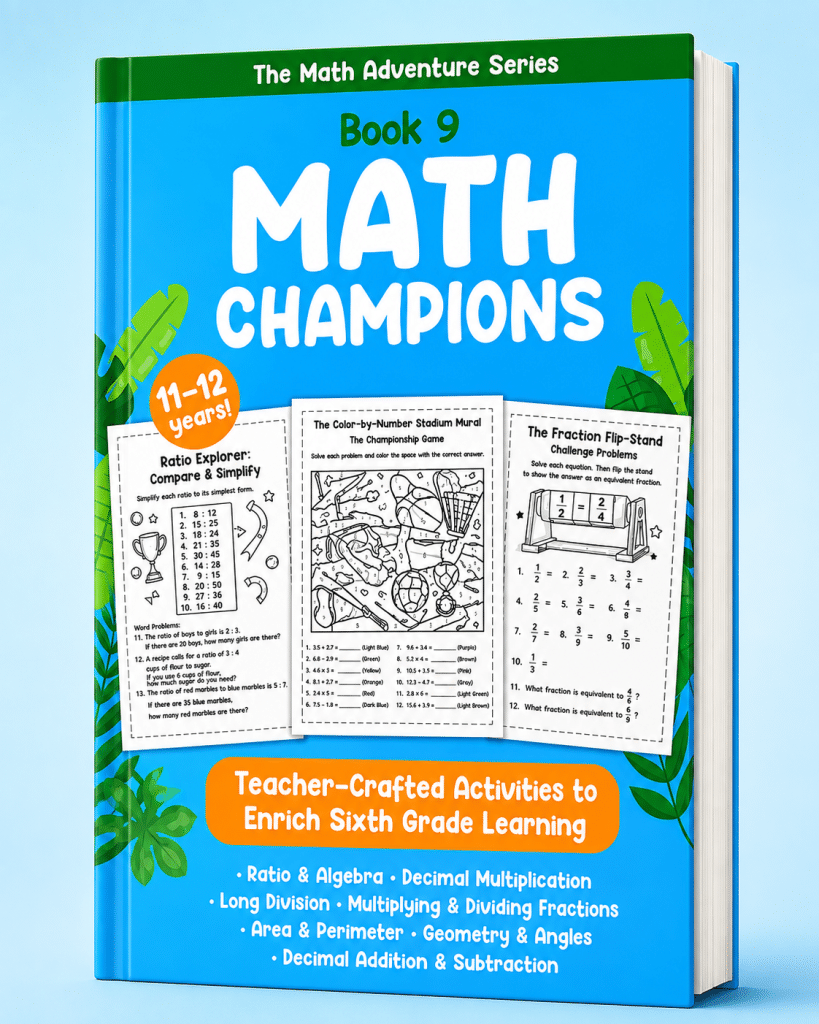
Math Champions: A Sixth Grade Math Workbook with Ratios, Algebra, Fractions
$17.99 -
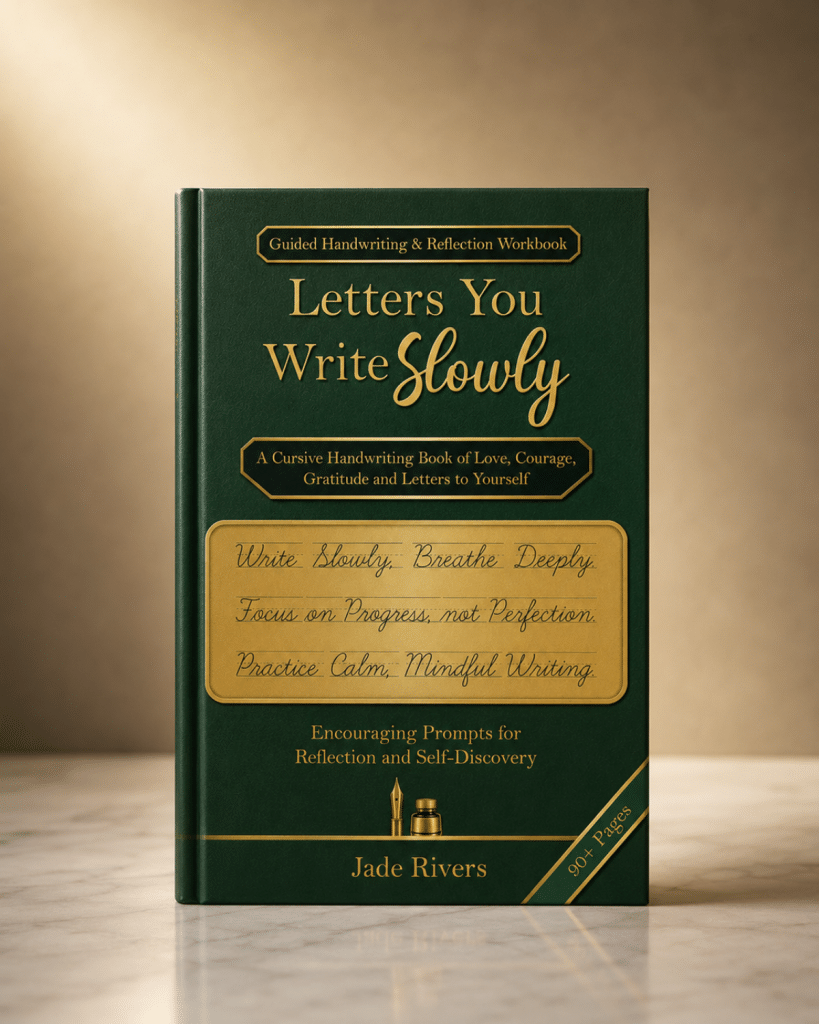
Letters You Write Slowly: A Cursive Handwriting Book of Love, Courage, Gratitude
$17.99 -
America Turns 250: Activities, Puzzles, Coloring Pages, Fun Facts, and Amazing D
$18.99
The Takeaway for Parents
Your child’s school may not be prioritizing handwriting. That does not mean you cannot.
Despite the advantages of typing in terms of speed and convenience, handwriting remains an important tool for learning and memory retention particularly in educational contexts. The neuroscientific evidence highlights the cognitive advantages of handwriting, particularly for younger learners.
The brain your child develops in their first decade is the one they will carry for the rest of their life. Handwriting is not a nostalgic school subject. It is one of the most research-supported tools available for building a stronger, more connected, more capable young mind.
Give them a pen. Give them a page. And give them the time to write slowly.