Why Learning Through Exploration Helps Children Learn Faster
In today’s fast-paced world, many parents focus on helping children memorize letters, numbers, and facts. While these skills are important, research consistently shows that some of the most meaningful learning happens when children are encouraged to explore, discover, and ask questions.
Learning through exploration is one of the most effective ways to develop curiosity, creativity, critical thinking, and problem-solving skills. Rather than simply being told what to think, children learn by actively engaging with the world around them.
What Is Learning Through Exploration?
Exploration-based learning is an educational approach that encourages children to investigate, experiment, observe, and discover new concepts through hands-on experiences.
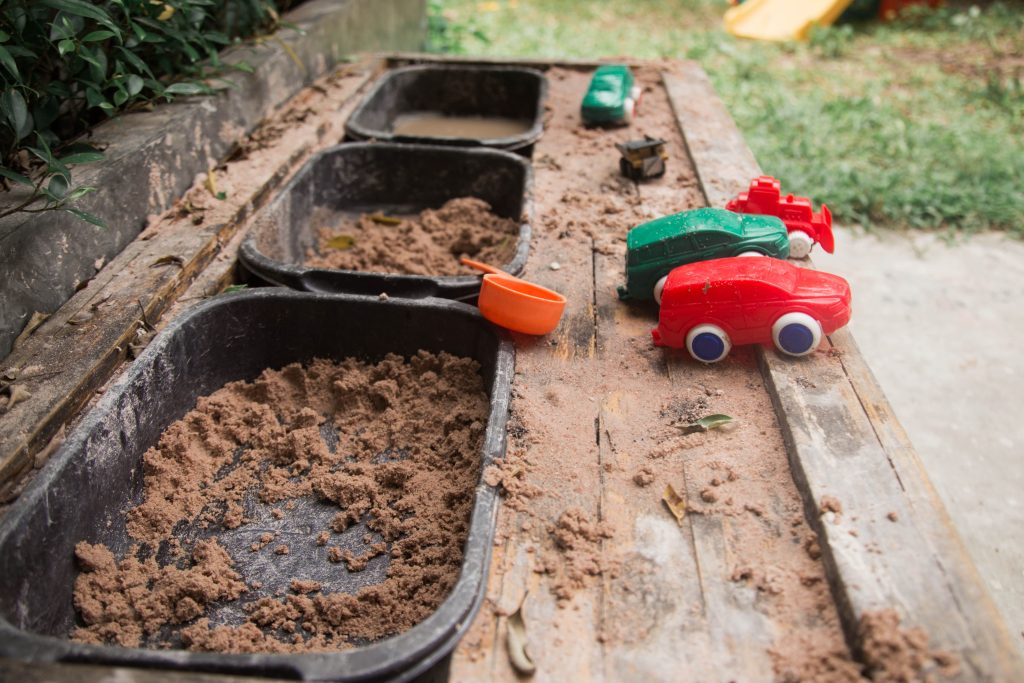
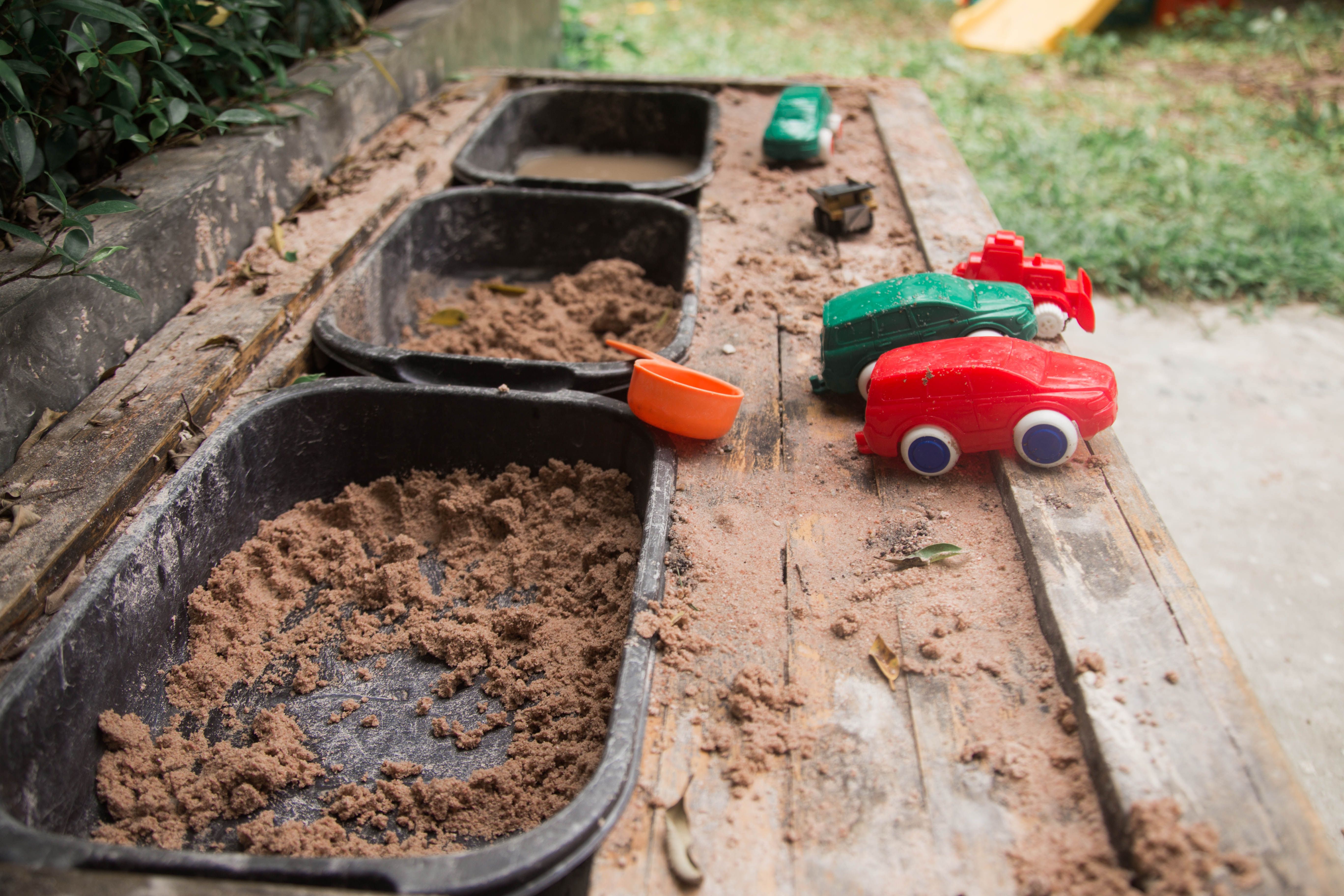
When children explore, they become active participants in their learning rather than passive recipients of information. Whether they are examining insects in the backyard, building with blocks, solving puzzles, creating art, or completing interactive activity books, they are developing important cognitive and emotional skills that support lifelong learning.
This approach aligns naturally with how young children learn. Curiosity is not something that needs to be taught—it already exists. The goal is to provide opportunities for children to follow that curiosity in meaningful ways. Research suggests that exploration taps into a child’s natural desire to learn and allows them to use new vocabulary and concepts in authentic situations.
Benefits of Exploration-Based Learning
1. Builds Critical Thinking Skills
When children encounter a challenge, they learn to ask questions, test ideas, and evaluate outcomes. These experiences strengthen problem-solving abilities and encourage independent thinking.
Instead of memorizing answers, children learn how to find answers.
2. Improves Memory and Retention
Children tend to remember information better when they actively discover it themselves.
A child who learns about animals by observing, drawing, reading, and discussing them is far more likely to retain that knowledge than a child who simply reads a list of facts.
3. Encourages Creativity
Exploration gives children permission to experiment.
Whether they are writing stories, solving math challenges, building structures, or creating artwork, they learn that there are often multiple ways to approach a problem.
4. Supports Language Development
Exploration naturally introduces new vocabulary.
As children describe what they see, ask questions, and discuss their discoveries, they strengthen communication skills and build a richer vocabulary.
5. Develops Confidence and Independence
Every successful discovery helps children build self-confidence.
When children realize they can investigate, learn, and solve problems independently, they become more willing to take on
new challenges.

How Parents Can Encourage Learning Through Exploration
The good news is that exploration-based learning does not require expensive equipment or complicated lessons.
Simple activities can make a powerful difference:
- Encourage open-ended questions.
- Visit parks, museums, libraries, and nature trails.
- Read books that spark curiosity.
- Provide puzzles, activity books, and creative challenges.
- Allow children time to experiment without rushing to provide answers.
- Celebrate effort, discovery, and curiosity.
Sometimes the best learning begins with a simple question: “What do you think will happen?”
Why Activity Books Support Exploratory Learning
High-quality educational activity books can be powerful tools for exploration.
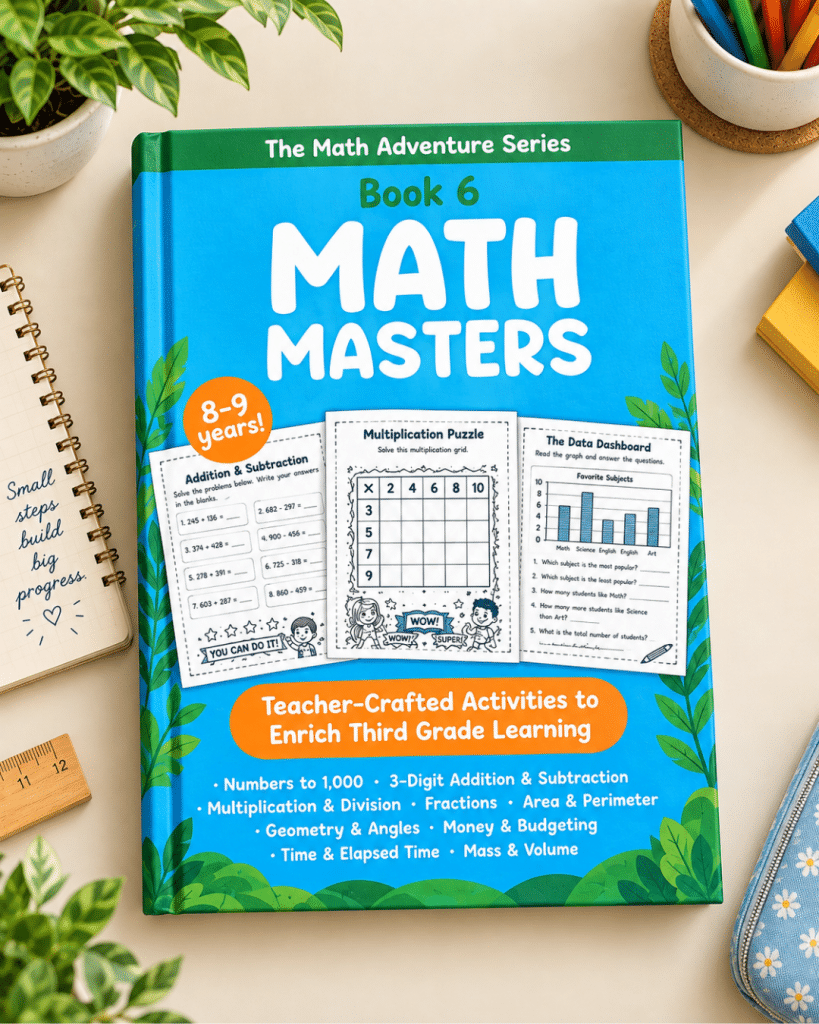
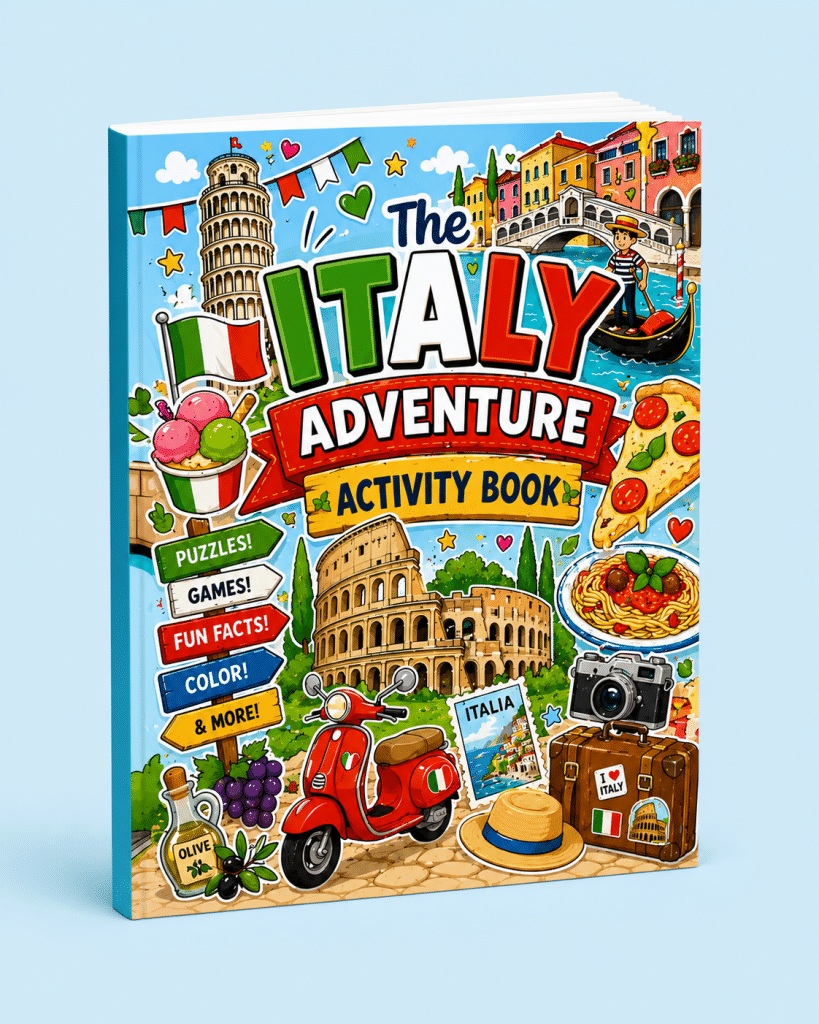
Interactive workbooks encourage children to think, create, solve problems, and make discoveries at their own pace. Rather than passively consuming information, children become active learners.
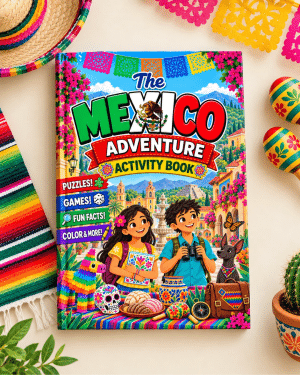
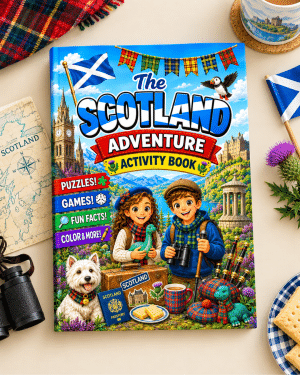
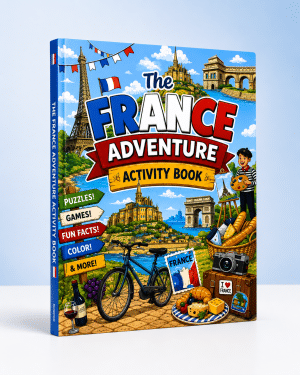
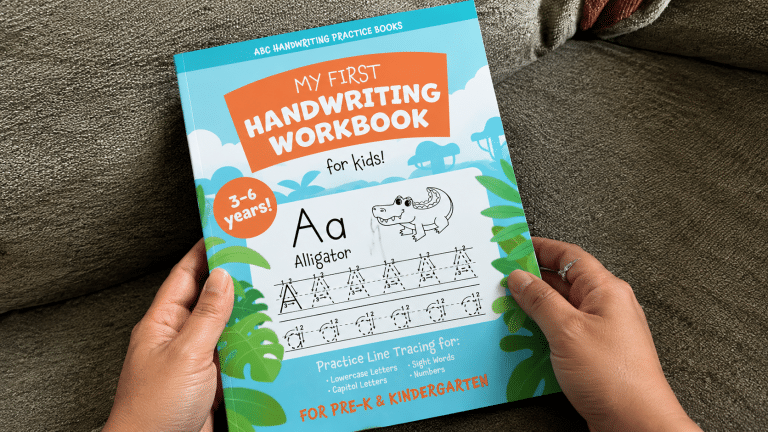
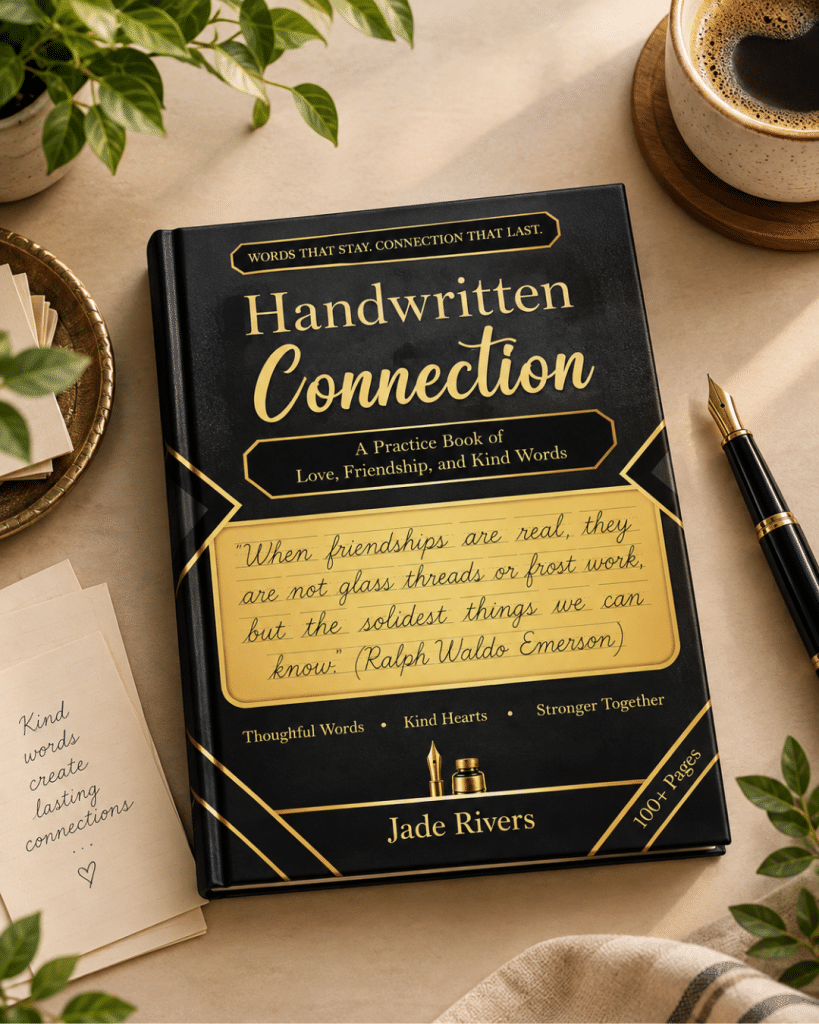
Whether they are practicing handwriting, solving math mysteries, exploring new countries, or completing educational challenges, activity books create opportunities for curiosity-driven learning while building essential academic skills.
The Future Belongs to Curious Learners
The world is changing rapidly, and success increasingly depends on adaptability, creativity, and problem-solving.
Children who learn how to explore, ask questions, and think independently develop skills that extend far beyond the classroom.
By encouraging curiosity today, parents help children build the confidence, resilience, and love of learning that can benefit them for years to come.
After all, education is not only about knowing the answers. It is also about developing the confidence to ask meaningful questions and the curiosity to keep exploring.